 Skip to content
Previous Projects
Brazil public education system
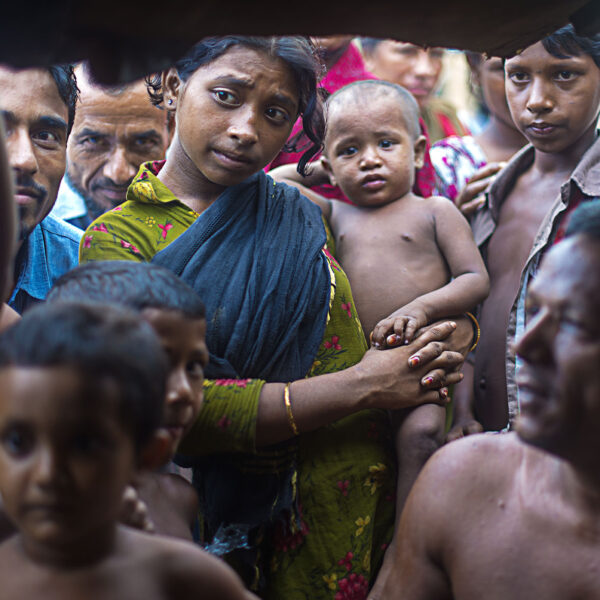
An established Brazilian NGO, working with the municipality of São Paulo, asked us to redesign the curriculum for public schools. Based on our experience during a yearlong project, we designed a new working method to help these students graduate with stronger skills, better knowledge, and higher grades. This would provide them with more opportunities in their higher education. Our main approach was to integrate questions such as “What are your dreams?” “What are your talents?” “What can you do with both of them?” into the daily school environment. We learned that children need to develop their own answers to these questions. Most of them had already given up. Their self-esteem was generally very low.
Through this approach, the children developed intrinsic motivation to study and do their homework.
Cambodia gender policy
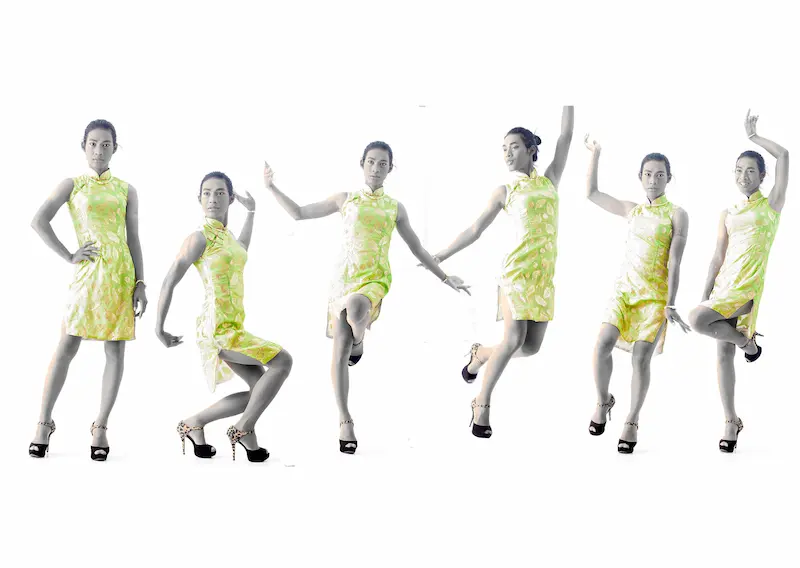
In Cambodia, most gay boys work as prostitutes. Being a prostitute has become part of their gender identity. We advised an international NGO working in the field of STD and LGBT rights. Their question was how they could help gay boys in Phnom Penh move away from prostitution as their primary source of income. How could they develop their self-image and self-esteem? We used qualitative research and developed an intervention based on the social environment rather than on providing information or prevention services. The NGO in Phnom Penh used this intervention, which resulted in an ongoing dialogue within the gay community about gender identity and finding new ways to earn an income.
Netherlands elderly care

In the Netherlands, as in Western Europe, long-term elderly care is seen as unsustainable. Organisations providing elderly care have grown to a size that were seen as no longer affordable. They are now looking for ways to reinvent their own way of organising necessary care, using the informal support system like people and neighbours as a basis, and the professional support system only when necessary. The belief that artificial intelligence and home automation are the way to go is widespread.
At the request of a national elderly care organisation, we helped them to reformulate their strategy as an organisation, based on society’s needs, rather than merely focusing on organisational survival. This organisation has found a new strategy, working together with families, neighbours, and volunteers to improve the quality of life of older people in their care. In addition to reformulating their strategy, we helped organise social interventions, through which the organisation could add its professional expertise to informal care, instead of the other way around.
Bangladesh homelessness
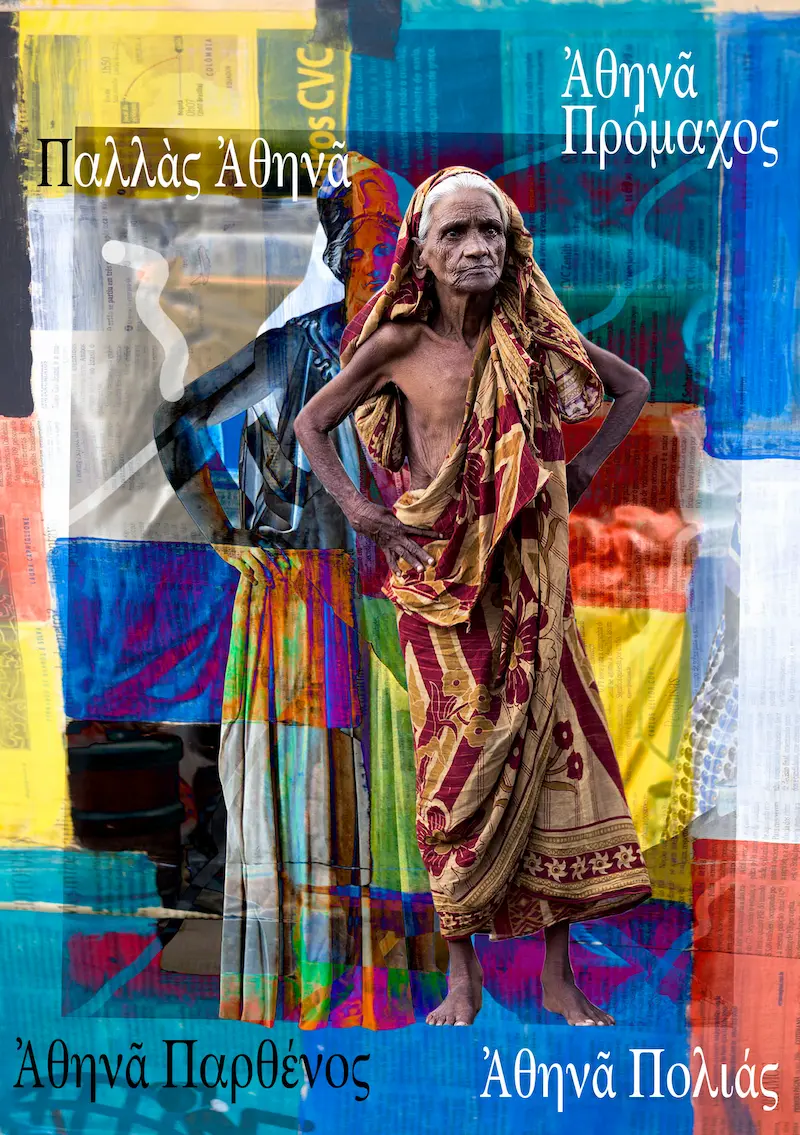
In Bangladesh, homelessness is related to various social issues such as migration caused by flooding, a shortage of housing in Dhaka City, seasonal income in rural areas, and poverty. We are working with the local government to address the complexity of the different groups and definitions of homelessness. We use qualitative research, consultancy, and an exchange platform to find new ways of addressing the issue. This has created a shared understanding among government, centres of expertise and NGOs on the course of action to take, allowing them to reinforce each other’s efforts.
