Skip to content
Gender and Drag Queens
Introduction
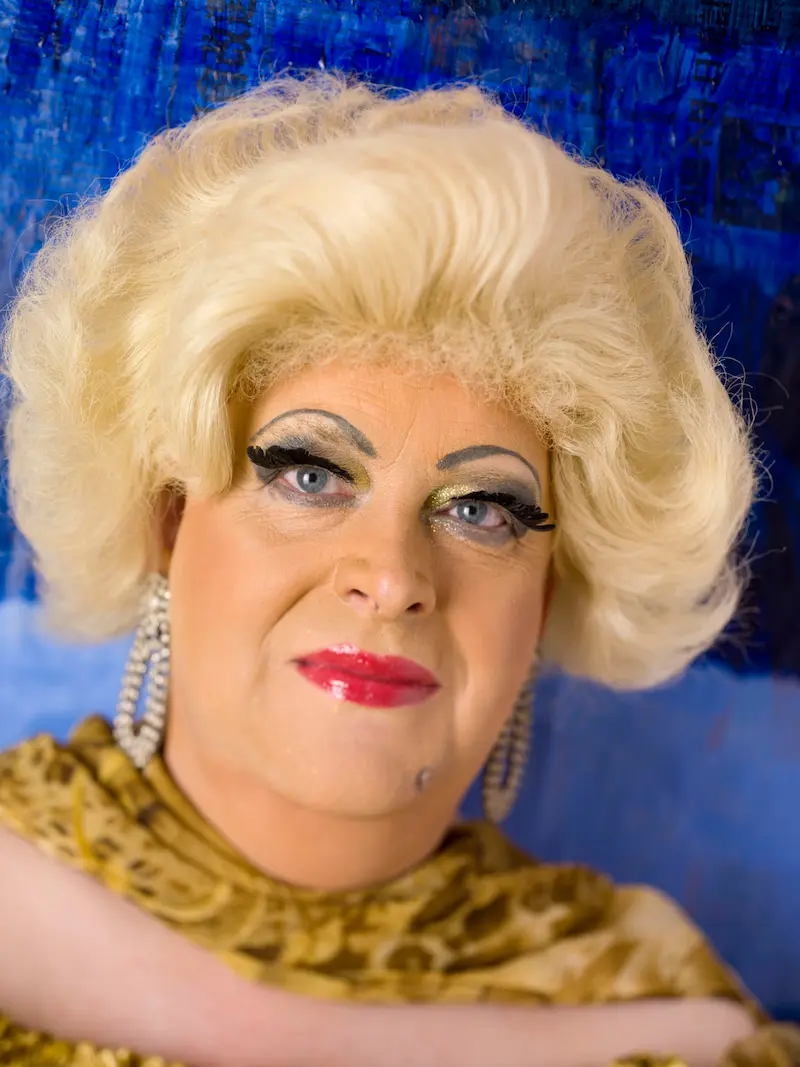
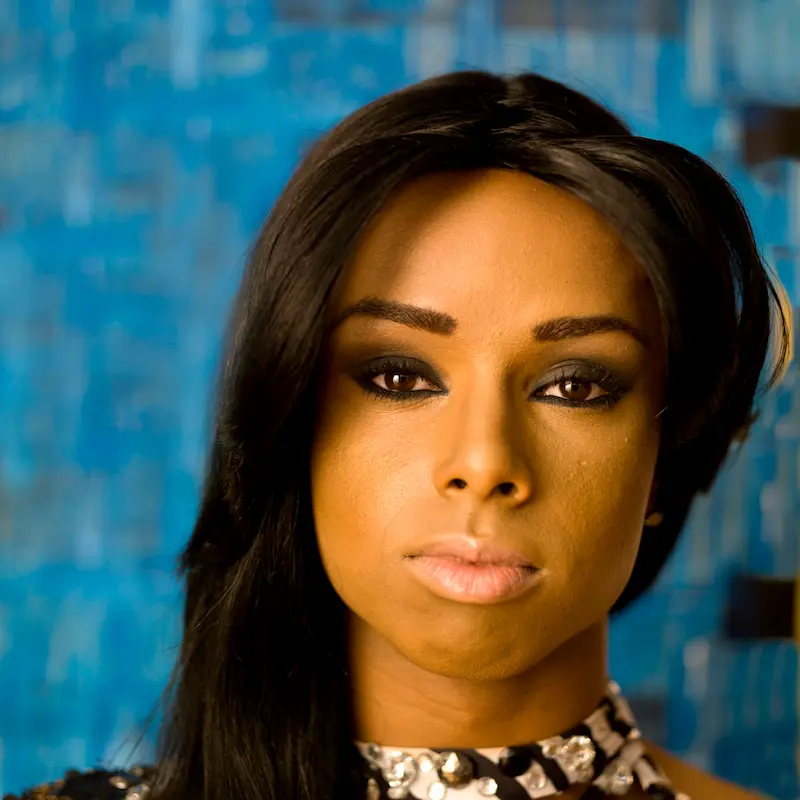
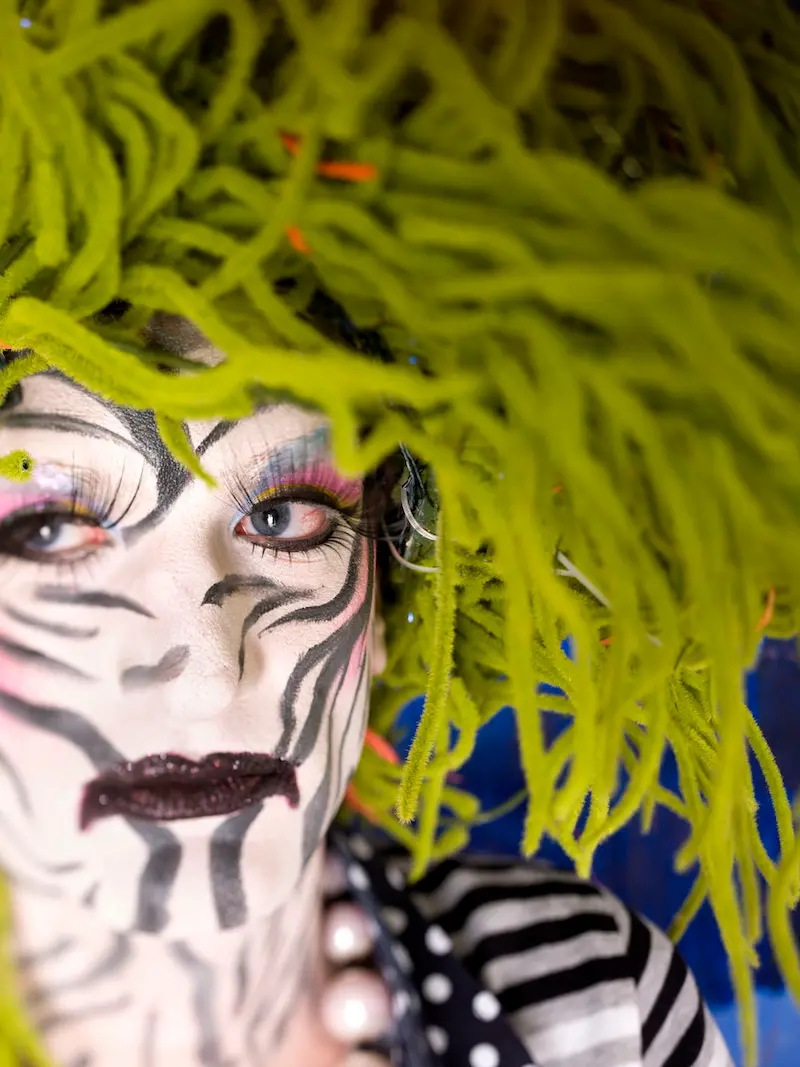
We started the project on Gender and Drag Queens in 2008. Two things happened around that time that triggered this project. In the centre of São Paulo we opened a studio, The Castle and we organised big parties. It was located among the bars where drag queens performed. These larger-than-life ladies gave crazy performances, mostly to sold-out bars. Impressionante. In Amsterdam, we met Hans Wijtenburg, the owner of dragshowbar De Lellebel. Hans has been an advocate for LGBTQ+ rights from the very beginning. These two events inspired us to do ethnographic fieldwork in that world and everywhere we set up camp in the world we made contact with the local drag queens. We photographed them, talked with them and tried to produce a coffee-table book. That last effort failed, the director left the building, and the ABN AMRO bank took the money, claiming they were not a publishing house, leaving us almost bankrupt.
The ad we made for the book, with our producer John, can be found here: Drag-Book
But you never know. Hans is still alive and kicking and what has started needs to be finished. Hans as a Drag Queen is the last photo on this page.
Although some countries have reached a certain level of acceptance, showing your identity can still be an issue. If that’s what you want.
Some Findings
In many cultures and societies, gender is strictly categorized as male or female. Anyone who does not fit within these categories faces significant challenges in life. The social consequences of being gay, transgender, or otherwise nonconforming have proven to be enormous. In many countries, this leads to exclusion from education, employment, healthcare, and family life. Even violence. Not everywhere.
In twelve countries we got in touch and connected with drag queens.
Brazil celebrates great freedom in expressing one’s choices. The same is true for countries like the Netherlands. In both countries, though, religious pressure groups try to roll back these human rights prior to this liberation.
The same goes for violence. Even in these countries, violence against these groups still occurs. We believe that protecting and respecting minorities is one of the fundamental responsibilities of a democracy.
In many countries, boys who dress as girls often have to survive through prostitution. In Bangladesh we met the Hijras, a group that permanently dresses like a girl. They are outcasts and at the same time feared as representatives of a deity. In Bangkok there is the famous phenomenon of ladyboys in the bars and in Phnom Penh special gay bars are filled with young boys. While we worked in Dhaka the editor-in-chief of the only gay magazine was chopped to pieces with his friend. We knew him very well.
In Bolivia another phenomenon exists. In this culture all men dress up as girls once a year. This appears to create more freedom of expression. The boys we spoke to there still feared the right-wing rednecks, that pushed for anti-gay values and could be violent.
This raises the question of whether this is true freedom.
Want to see more? Visit www.dragqueens-oftheworld.com