Skip to content
Elderly People
Introduction
We started this long-term project on the changing meaning of elderly people in our societies in 2005. We were aware that the world’s population was ageing. The project resulted in books, a festival, documentaries and many advisory assignments. We already worked in the field of elderly care, helping our clients organise their tasks. Alongside our client projects, we undertook ethnographic fieldwork in several countries to better address the many challenges facing elderly care. How were other countries dealing with the subject? This page only gives an impression of the complexity an ageing world poses for us.
The real change is cultural and cognitive. People are living longer and healthier and can contribute to society longer while the institutions are still phasing out people with concepts such as pensions. We must adapt our societies to this new reality.
In Cambodia, for instance, the elderly take care of the children. But with fewer grandchildren and more grandparents, there is less to be done. The mortality rate dropped from 21 per 1,000 in 1960 to 6 per 1,000 in 2025. The birth rate dropped from 46 per 1,000 in 1960 to 19 per 1,000 in 2025. The average life expectancy in Cambodia rose from 40 years from 1960 to 73 years in 2025. (United Nations Population Division) Maintaining the cultural structures and institutions of 1960 is not sustainable.
We gained in-depth knowledge on this subject and are willing to share it with anybody interested.
You can see our documentary here. Being old in Cambodia
Some Findings
The way elderly people are treated in any culture reflects how much a society values and cares for its members. We have found that the value placed on the experience and contributions of older people—both past and present—varies greatly.
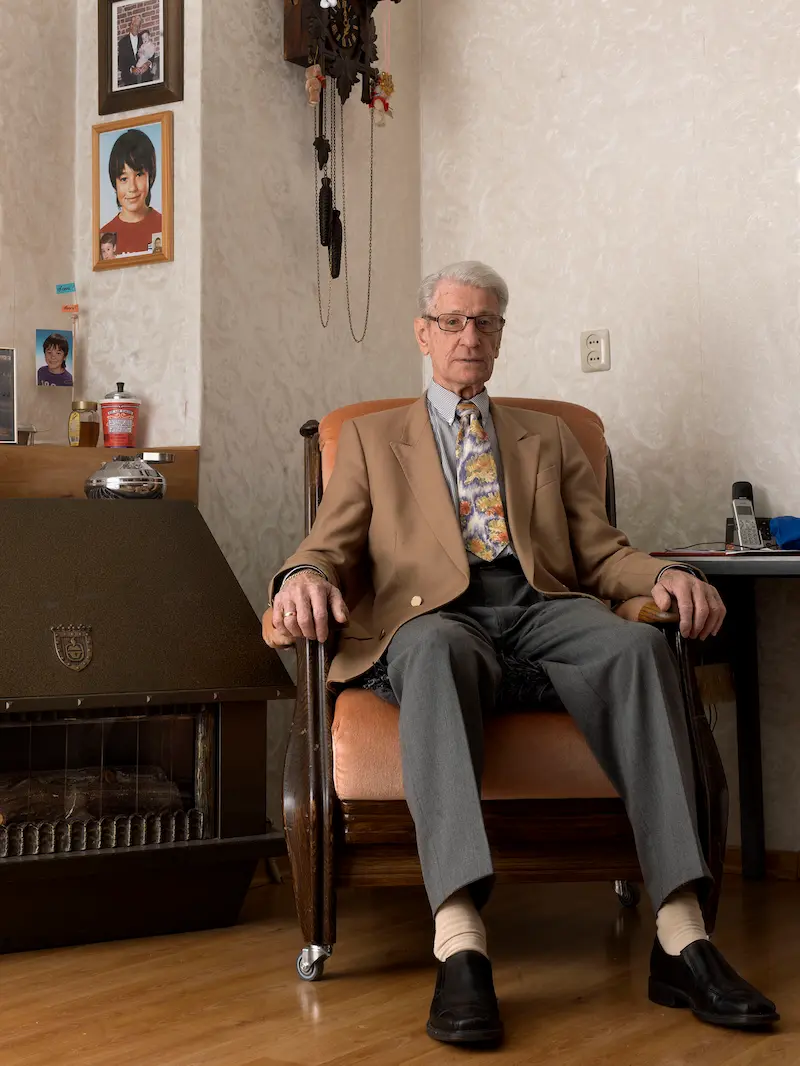
In countries like the Netherlands, elderly people are often labelled as vulnerable and in need of care, while becoming increasingly isolated from society. A process of constant hospitalisation makes them dependent.
In contrast, in countries such as Cambodia, elderly people play an important social role and remain valued by their families and communities. We met in Phnom Penh many grandparents that took care of their grandchild while they studied at school. They are part of what is called a family strategy in which everybody has to play his own role.
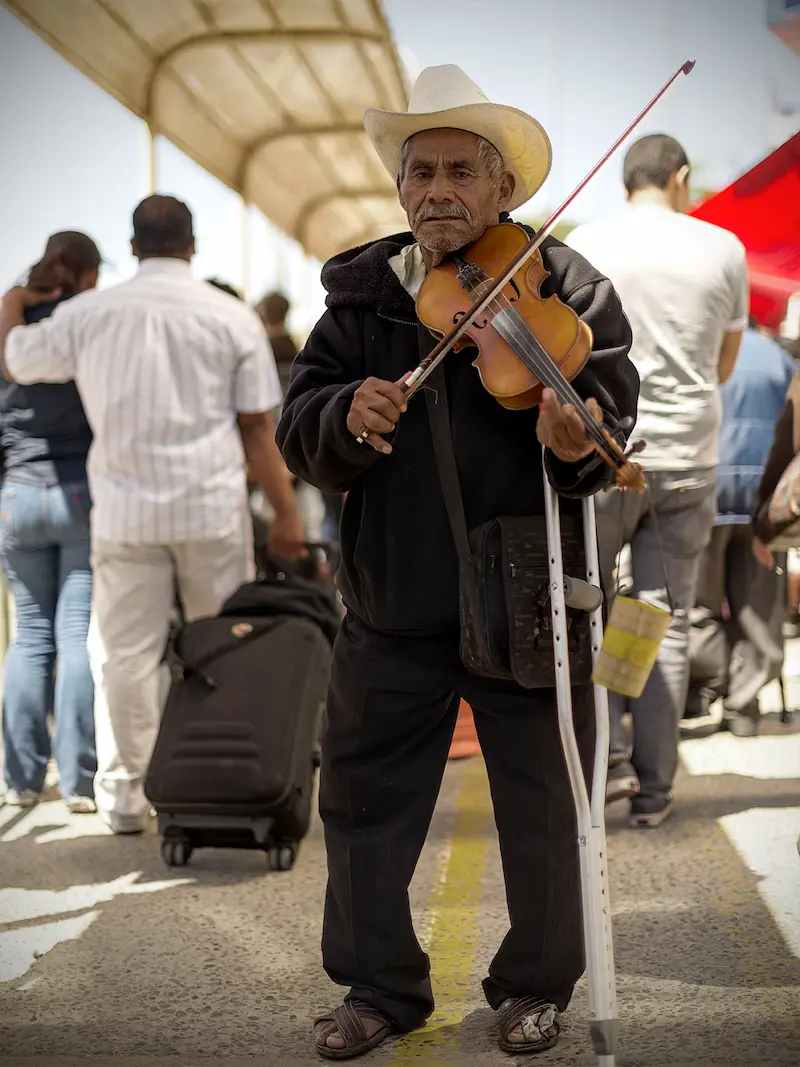
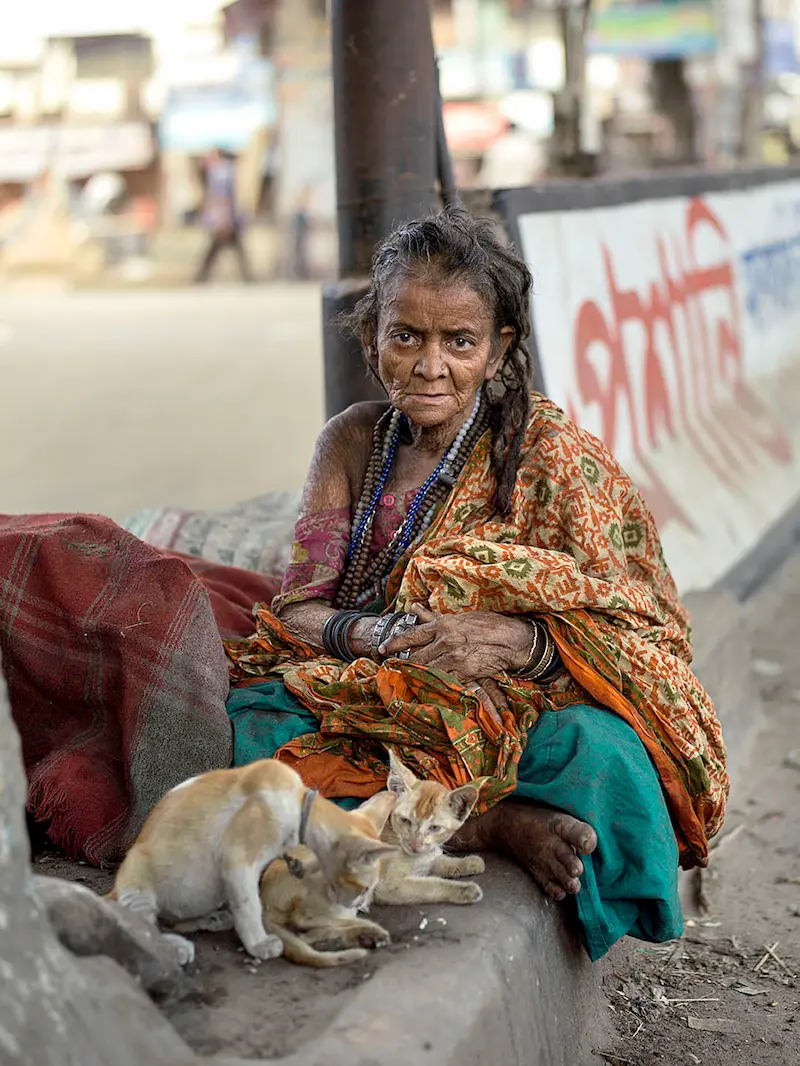
Except for those who have no family, or their family cannot afford to care for them. They end up on the streets if the temples are not willing to accept them. We met an old man at the North Market who had recently been thrown out by his family. He cried when he told this.
In Vietnam we saw a lot of old people selling lottery tickets. They are not allowed to beg, but selling lottery tickets is a way for them to earn a living. Many vendors on the fresh markets were elderly people.
In Bolivia, Samaipata, where we lived, all the elderly people had their specific role and function, from a matchmaker to owners of little groceries to bakers of pastries to lenders of agricultural equipment. The people with Alzheimer-like diseases were cared for by everybody. They lived in their own houses, kept clean by the neighbors and family.
In the Netherlands, elderly people from lower-paid jobs are viewed as a burden. The care system, their ability to make friends and how the general social cohesion is organised, excludes these elderly people from society. Retirement means being out of sight, simply spending the remainder of one’s days. The quality of these day’s depends on their income. In the Netherlands, more than 370,000 people live only on an allowance of 1,550 euros a month, most of them being women who had low-paid jobs during their working lives. In an abstract way they are talked about as a financial problem. They are seen as a burden to the economic prosperity of the Netherlands. “The cost of elderly care is becoming unsustainable; we are at a critical point” is a well-known Dutch slogan by politicians and the care elite. Human lives are reduced to a financial calculation. In other countries, older people remain actively involved in social, economic, and political life. This does not mean that it is always humane.
In Japan we saw many old people still working. This country has 17% of people living under the level of subsistence and most of them are elderly people. The other main group consists of separated single mothers.
The most heartbreaking moment was when we saw a lady in her eighties one and a half metres tall, bent forward by osteoporosis, her body almost parallel to the floor. She moved through the supermarket while pushing a cleaning machine. We did not have the courage to take a photo of her. Too shameful. It is well known that in Japan, in theory, elderly people are valued in their culture as the most important group in the country, but at the same time they are treated as waste.
Loneliness and being elderly is one of the main issues in Japan. We went to neighborhoods with skyscrapers full of people that came to Tokyo in the sixties and now in their old age are waiting to die.
Transforming a care system is closely linked to changing society’s perception of the elderly. Thinking about contribution by elderly people instead of isolating them is a healthier way of thinking.
The world’s demographics are changing rapidly. This means we also need to evaluate age and contribution differently.
We, as a society, can create other ways of living together. Maybe we have to.
Want to know more? Visit www.aetatis.eu or zorg2punt0