Skip to content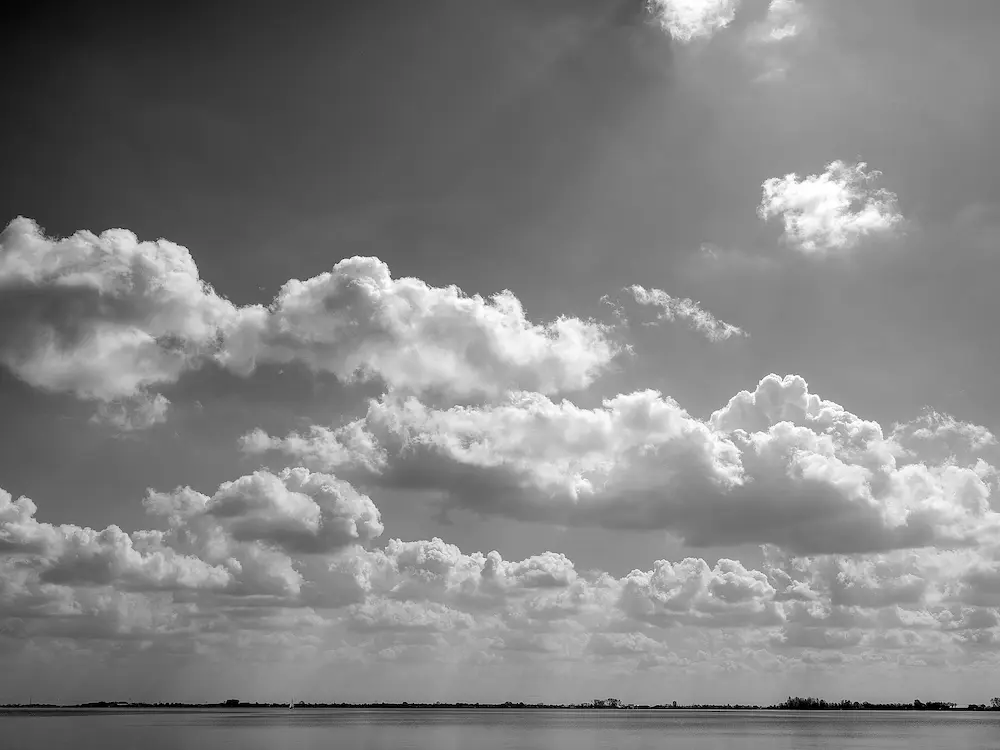
A non-capitalistic Journey
This project is the latest the founder conducts. He relates here his findings, so far.
My son, Set Meallan Blesk van Oorschot, some years ago told me that at school he had learned in economics that an invisible hand controls the markets. My first reaction was disbelief. That can’t be true, I thought. What nonsense.
I said to him, “That invisible hand is nothing more than all the little men and little women working in banks, companies, governments, and even the people shopping at Albert Heijn. They make decisions every single moment. There is nothing invisible about it.”
A capitalist organizes around beliefs such as, “If I don’t do it, someone will,” or “Convenience serves mankind.” Although in practice it only serves a few of us.
But then another thought occurred to me: I had never really examined the spectre of capitalism myself. Here was one of the most influential socio-psychological systems humanity has ever created—a system that shapes the thoughts, actions, dreams, and aspirations of billions of people—and yet I had never truly explored it.
So, I decided to do exactly that.
I began by reading the works of those who have been placed on a pedestal and whose ideas are quoted—often incorrectly—time and again. But I also chose another method: I read the world itself. I travelled throughout Asia, observing everyday life and asking a simple question: where has the spectre of capitalism taken hold, and where has it not? And above all I talked with laypeople and specialist about this spectre. What do you think it is?
Three subjects especially captured my attention.
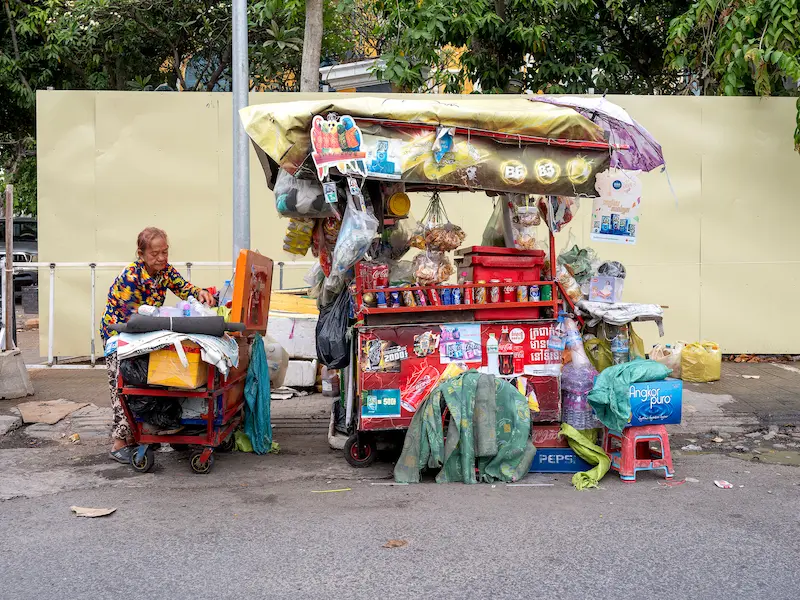
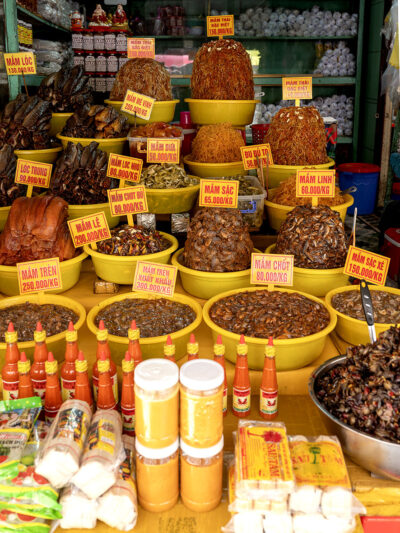
The first was the fresh markets of Asia, which are anything but capitalist when compared with supermarkets and shopping malls, which embody capitalism completely.
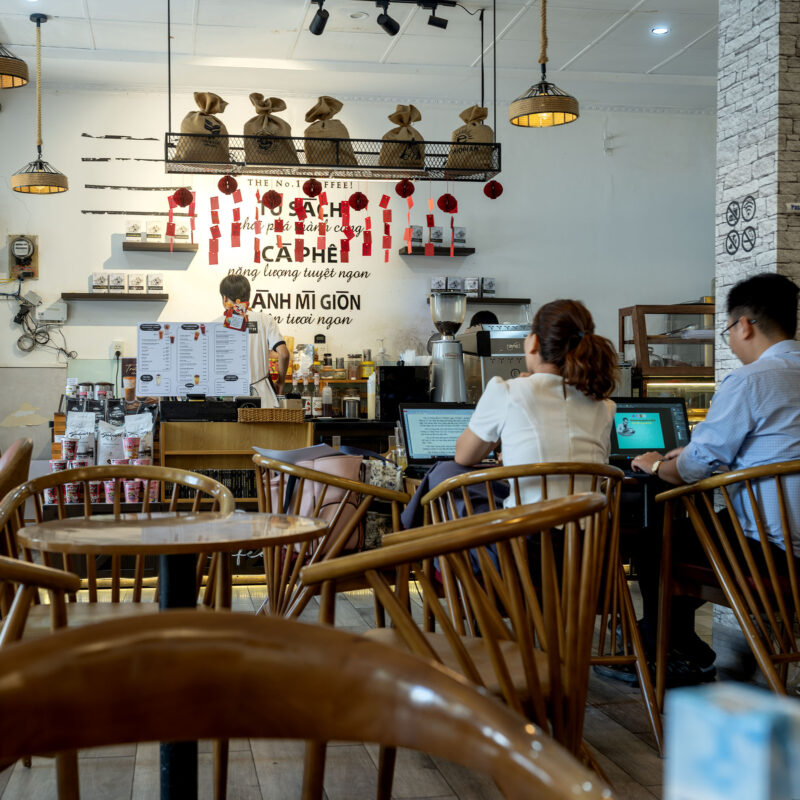
The second was the coffee and tea houses of Asia, where people gather simply to drink tea or coffee together. Here I noticed an interesting difference. Coffee chains are abundant and look almost identical wherever you go, yet because they occupy permanent places within communities, they sometimes create a surprising degree of social cohesion—although very different from the traditional tea houses they have gradually replaced.
The third is what I call terourism. The terror of tourism. Our world has fallen victim to a fast movement of human beings exploring specially chosen places, residing in hotels and lodges to abuse the environment for leisure. A 12 trillion-dollar business. (Zion Marketresearch) In 1959 when I was born, terourism was a rarity. In 1920 the range of action of an average American was 50 miles. Now billions move every year to be on holiday. It totally destroyed most inner cities and changed them into a Walt Disney world with icons and images that never existed in the first place.
For the past three years I have immersed myself in this spectre called capitalism. Much photography, ethnographic and reflective writing has already emerged from that journey.
Like many people, I had long carried around only a vague understanding of the concepts surrounding capitalism. It simply did not capture my attention. I thought capitalists were bankers and wealthy robber barons. Karl Marx stood for the workers’ revolution. Max Weber developed interpretive sociology and explained the rise of capitalism through the Protestant work ethic. Adam Smith described an invisible hand and argued for free markets. That was my image of it. In reality, I was not particularly well informed, nor had I reflected on these ideas very deeply.
Even so, I was probably already deeper in the subject than many people today, who spend countless hours consuming television series and social media, absorbing the norms and values of modern capitalism without ever learning how to recognize, understand, or evaluate them. They are taught to admire success, envy those who have more than they do, fear becoming losers themselves, and pay remarkably close attention to how one is expected to behave in the workplace.
Defining capitalism, however, proves surprisingly difficult. It is elusive—like clouds. When it rains, you know where the rain comes from; you can point to the clouds overhead. But clouds themselves are difficult to grasp. They are visible, yet impossible to hold. And yet without them, the rain would never fall.
Capitalism resembles that. It is everywhere, shaping our lives, thoughts, dreams, what we do, while remaining strangely intangible—visible, yet untouchable.
A real question is this: what can we do with what we learn about this specter called capitalism?
One answer is that we can choose to live differently ourselves. Our lives, our ways of thinking, our actions, and even our dreams do not have to be entirely shaped by capitalism.
It is too fatalistic to accept Fredric Jameson’s abused observation that “It is easier to imagine the end of the world than the end of capitalism.” Many social ecosystems continue to organize themselves differently, and each of us can distance ourselves from at least some of capitalism’s excesses.
Another possibility is simply becoming aware. The scales fell from my eyes when I discovered that banks create money primarily by issuing loans. There are profound even evil consequences hidden within that system—consequences that receive remarkably little public attention. Why did my son never think that? I also came to realize that much of our prosperity has been built upon capitalism.
Capitalism is ultimately a choice of how you want to do things, how you want to evaluate things. None of us can completely avoid using the goods and services Capitalism produces. But we can choose to take responsibility once we recognize that, during the few centuries in which this specter has dominated much of the world, countless billions of people have been born into misery and died in misery because of that spectre.
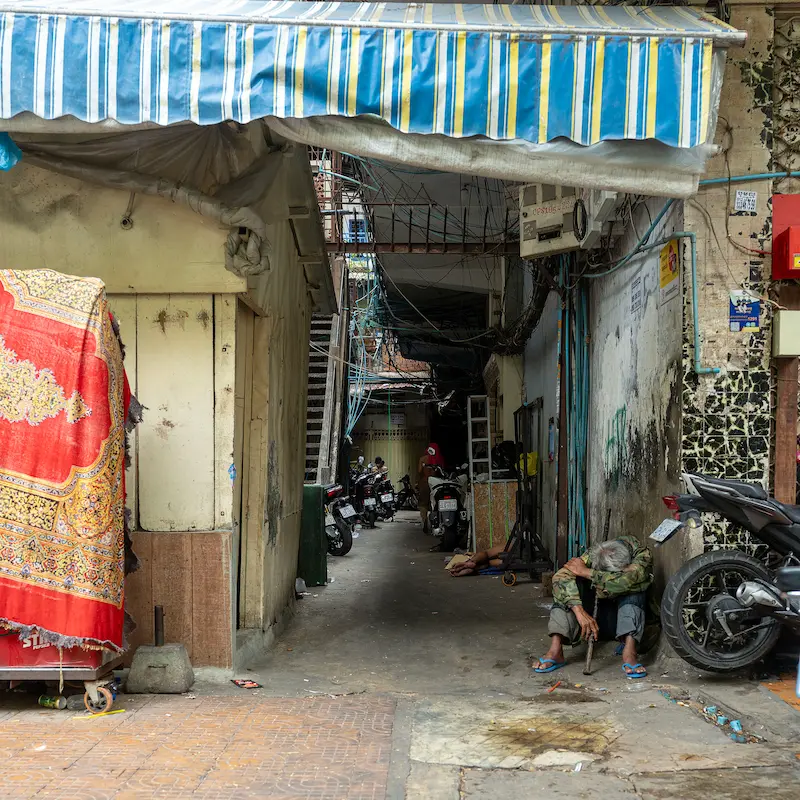
Capitalism has been built upon exploitation, suffering, and the sacrifices of many. To dismiss that simply as the necessary price of civilization is, in itself, an evil choice. Once we become conscious of that, we can ask ourselves a different question:
What am I going to do now? What will I do with my company? With my time? With my wealth? With my work? With my talents? Will I ignore the suffering of others, or will I choose to do something about it?
This is not a plea for another ideology, whether old or new. History has shown that grand, all-encompassing theories have too often made matters worse rather than better. Instead, this is an invitation to accept personal responsibility. Ask yourself: What can I do?
Do not start organising endless discussion groups. Do not start movements. Don’t organise yourself. It has all been done before.
Developing alternatives for capitalism is possible.
From time to time, I will publish texts on this website, sometimes as links and sometimes simply as reflections. Read them if you wish. Do with them whatever you find meaningful.
May these texts drift like autumn leaves carried by the wind—letting the old be blown away, making room for something new.
Welcome to this non-capitalistic journey.